
The Moral Conflict of Helping Carrie
The Woman in Cabin 10This thread traces Laura’s shifting judgment of Carrie as Laura balances accountability, empathy, and the need to survive.
increasing Bearing strength in each event
 decreasing
Bearing strength in each eventdecreasingThe Betrayed Investigator

Anger Before Understanding
The Captive’s Anger
Laura learns that Carrie attacked and imprisoned her, making Carrie appear to be simply another threat.
A First Moral Claim
Laura still believes her original efforts were meant to protect the woman whose disappearance she reported.
A Crime Confessed
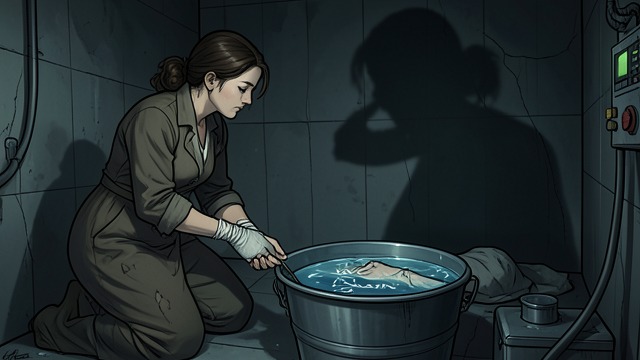
Carrie’s Responsibility
The Admission
Carrie describes helping move Anne’s body and throwing it overboard, while remaining unsure whether Anne was alive.
Accountability
Laura recognizes Carrie’s fear but cannot ignore the harm she may have helped cause.
A Humanizing Detail
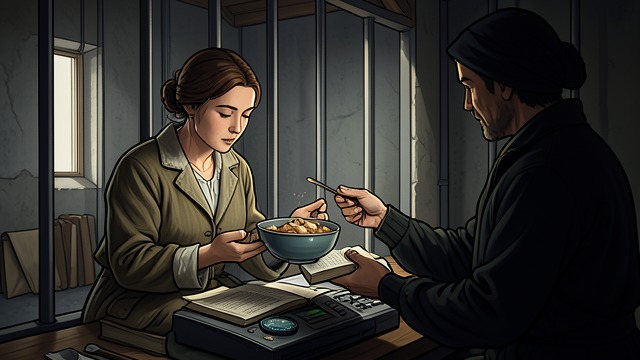
Beyond the Role
Small Gestures
Carrie brings Laura food, medicine, and familiar books, revealing care beneath the brutality of confinement.
Complicated Sympathy
These acts do not erase Laura’s suffering, but they make a simple division between monster and victim harder to sustain.
An Act of Rescue
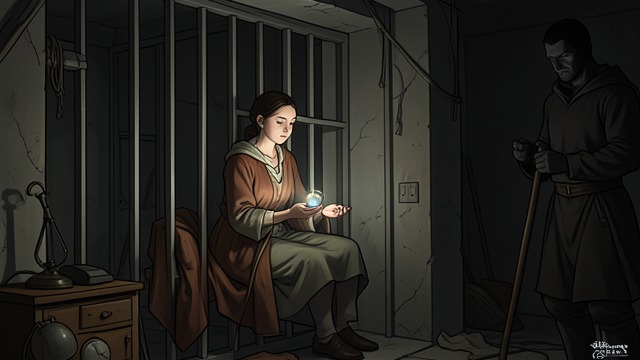
A Choice Against Richard
Risking Escape
Carrie gives Laura a chance to leave even though escape may expose Carrie and disrupt Richard’s plan.
Changed Judgment
Laura’s understanding shifts from suspicion alone to recognition that Carrie can choose a different action, even late.
Grief Without Absolution
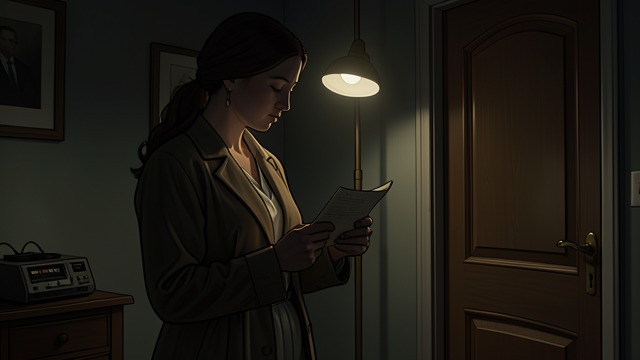
Mourning the Complicated Dead
The Loss
Laura learns Carrie has died and grieves for what Carrie did as well as what she tried to do for her.
A Difficult Balance
Her sorrow does not absolve Carrie; it honors the possibility of change without pretending that the earlier harm did not occur.
when Laura discovers Carrie’s identity
during the first long conversation in captivity
after Carrie returns with food
when Richard’s return becomes imminent
after the bodies are recovered
